
 Broward Sheriff’s RTCC











Commercial Security Systems by Role
Security decisions rarely belong to a single department. Across Florida organizations, IT, Security, Facility Managers, Property Management, and Operations leaders each evaluate systems based on different priorities, from infrastructure and integration to visibility and risk management.
AT&I Systems helps organizations design and implement integrated security solutions that support each stakeholder while maintaining consistent performance across properties.
OVERVIEW
Technology-based security solutions are typically built around three core systems: video surveillance, access control, and intrusion prevention.
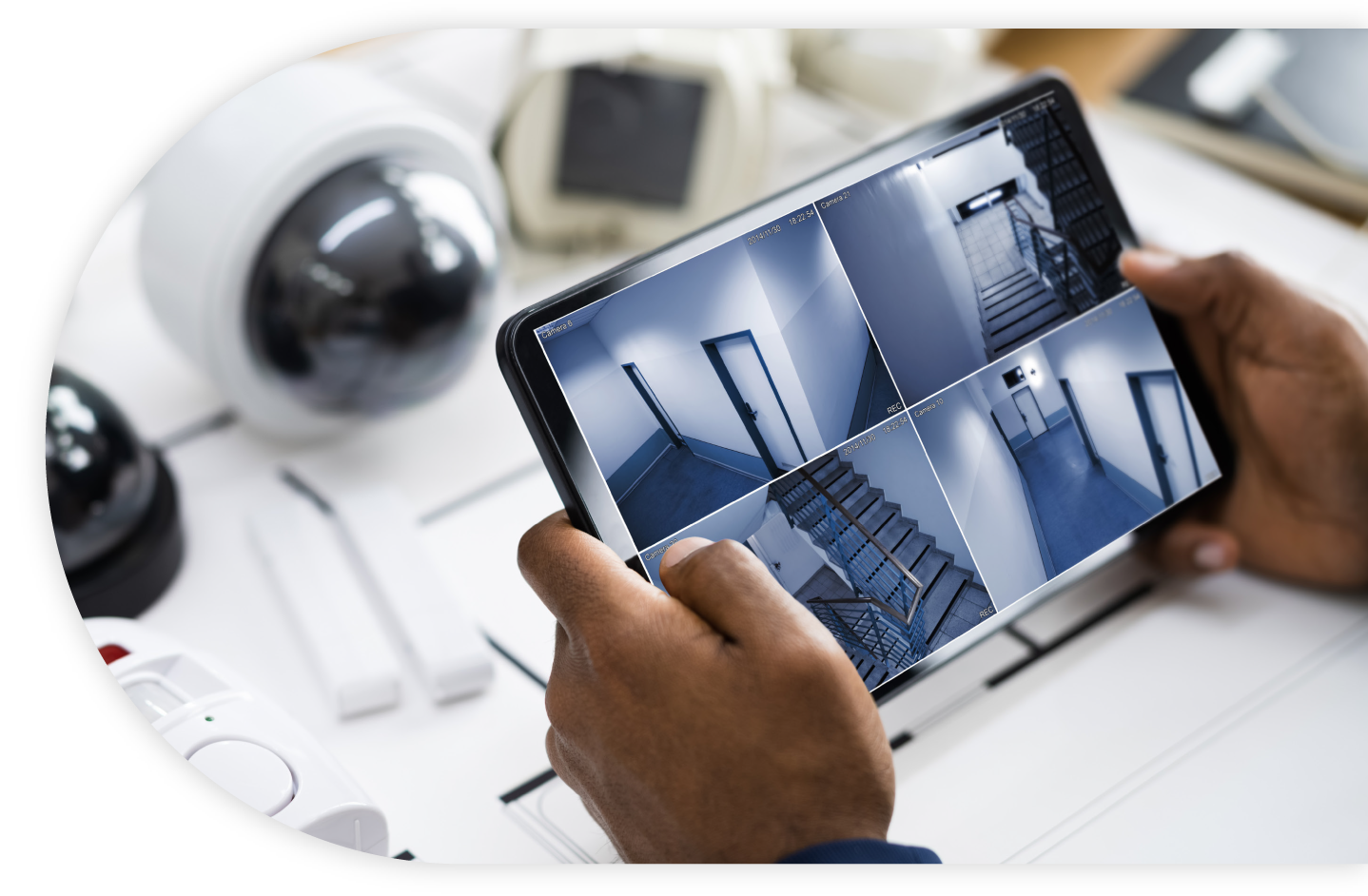
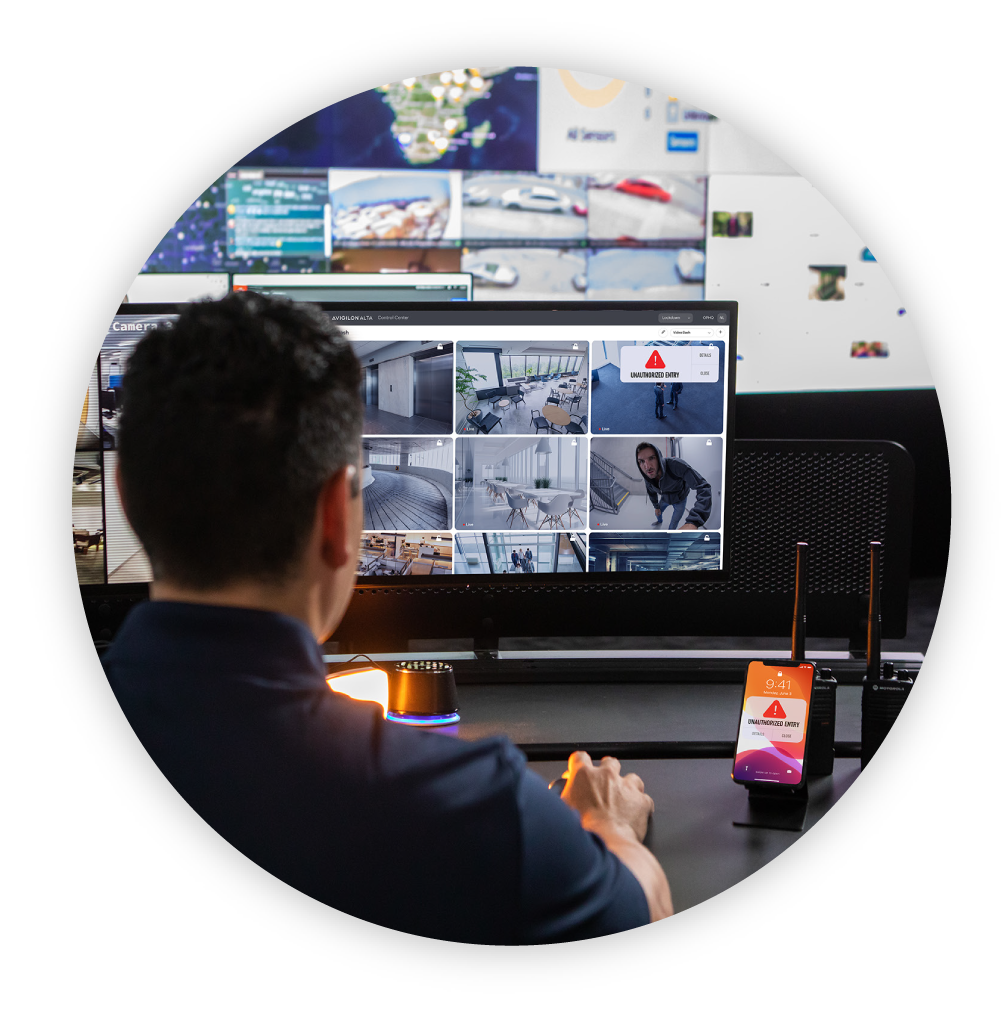
Surveillance systems are networks of cameras and related hardware that capture footage in specific areas for review or live viewing. They work by transmitting footage from cameras to monitors, servers, or cloud storage for future access, analysis, and live viewing. Modern systems are powered by AI and can proactively monitor for pre-defined or suspicious behaviors and alert your security teams.
The global surveillance technology market hit a whopping $130 billion in 2022 and is expected to reach an astonishing $235 billion by 2027.
Video surveillance continues to play a major role in commercial security planning because it supports visibility, incident review, operational oversight, and proactive response.
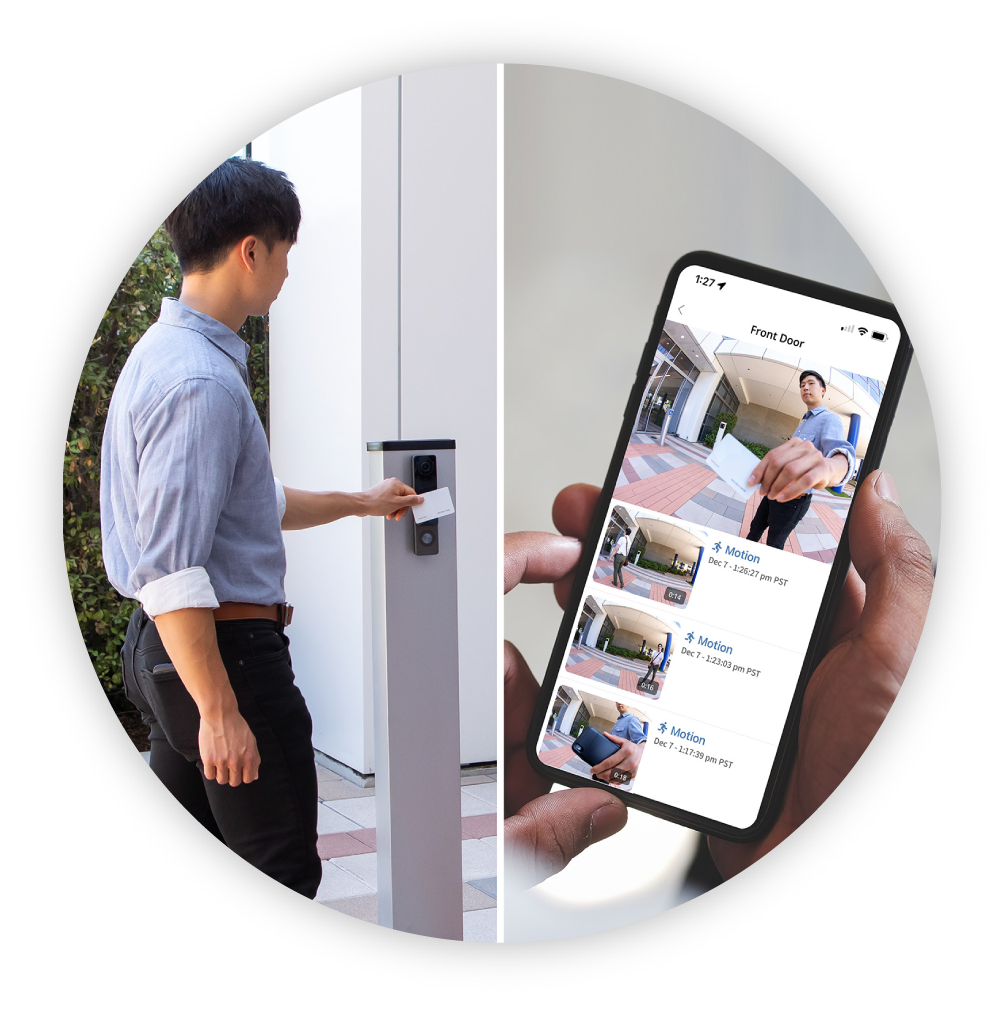
Access control systems are fundamental to commercial security because they regulate and manage who can enter specific locations or access certain resources.
Access control systems formalize who is allowed into particular spaces and help ensure the right people gain access while unauthorized individuals are kept out. Authentication can be verified through a wide range of credentials and devices, used individually or together.
Examples of access verification devices include key fobs, key cards, mobile credentials, PINs, and biometric scans.
An Intrusion Prevention System is another crucial component of a commercial security system.
Comprehensive intrusion detection is designed to detect and alert occupants or security personnel about potential threats or emergencies. These systems help prevent unauthorized access and theft.
Major components typically include sensors, sirens or alarms, a keypad, backup power, and optional monitoring services.
Role-Based Priorities
Different stakeholders evaluate commercial security systems through distinct operational priorities. IT teams focus on network security, system architecture, and safe integration. Security leaders prioritize visibility, response capabilities, and actionable intelligence. Facilities, property management, and operations teams bring requirements tied to maintenance, tenant experience, and risk management.
When these priorities are addressed separately, systems can become fragmented, limiting visibility and slowing response. Disconnected tools often require manual coordination, making it harder to verify activity or respond efficiently across departments.
A more effective approach aligns security technologies within a connected system. By bringing together access control, video surveillance, and intrusion detection, organizations give each stakeholder the visibility and control needed to support daily operations and make more informed decisions.
Security Systems By Role
Selecting the right solution means aligning security systems with each department’s responsibilities while ensuring everything works together. A unified platform connects access control, video, and intrusion systems, giving teams consistent visibility and control. With the right integrator, organizations can support daily operations, improve response times, and maintain scalable security across properties.

IT DIRECTOR
As an IT Director, you need security systems that support network protection, secure integration, and long-term manageability. Connected devices, such as cameras and access control platforms, can introduce risk if not aligned with cybersecurity standards and infrastructure requirements. Security solutions for IT directors should reduce exposure, support compliance, and maintain reliable performance across the organization. This includes ensuring systems integrate cleanly with existing networks without creating vulnerabilities or unnecessary complexity.

SECURITY DIRECTOR
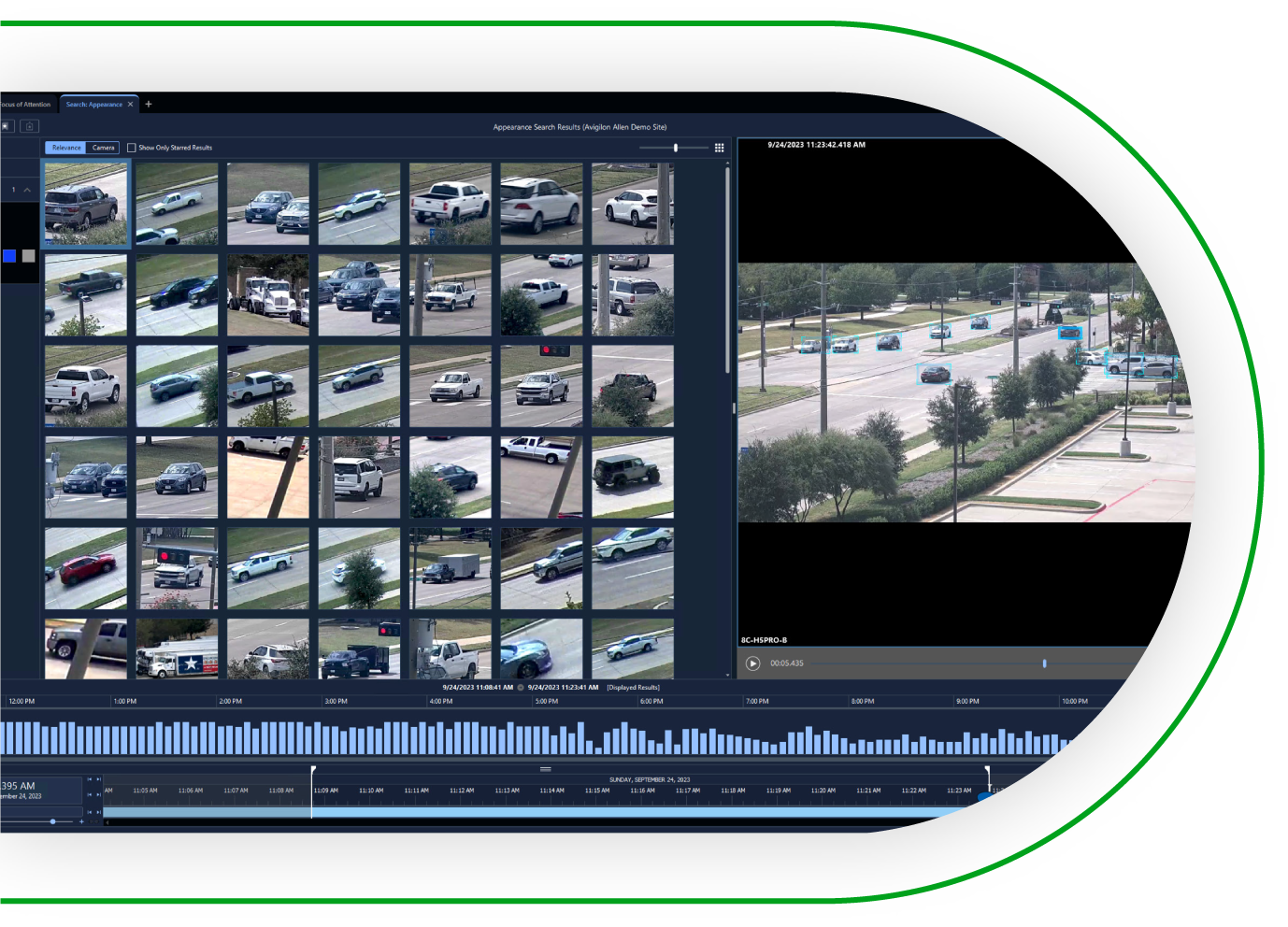
Security Directors are responsible for protecting people, property, and daily operations. They need systems that improve visibility, support faster response, and strengthen investigations. Modern solutions include advanced analytics, intelligent searches, and real-time alerts for unusual activity. These capabilities help teams monitor environments more effectively and respond with greater confidence. Access to clear, actionable data also supports stronger incident review and reporting. The right approach supports a shift from passive monitoring to a more proactive and informed security posture.

FACILITIES MANAGER
Facilities Managers need security systems that are reliable, practical to maintain, and aligned with building requirements. They prioritize consistent access for approved users, dependable uptime, and responsive support when service is needed. Security systems should help keep buildings functional, secure, and easier to manage day to day. Access control, intrusion detection, and related technologies should support operations without introducing unnecessary complexity. Systems that are easy to service and scale help reduce long-term maintenance challenges and disruptions.

PROPERTY MANAGER
Property managers balance tenant needs, guest activity, and daily operations across shared environments. Security solutions should improve visibility, support access management, and simplify incident response. A well-designed system helps monitor common areas, maintain consistent oversight, and support tenant confidence. This approach is especially valuable for properties that require scalable solutions capable of adapting to changing occupancy and operational demands. Consistent system performance across multiple entry points and user groups is critical for maintaining control.

OPERATIONS / RISK MANAGEMENT
Operations and Risk leaders need security systems that reduce disruption, improve accountability, and limit exposure to loss or liability. The right solution supports incident documentation, increases visibility into operational risks, and provides clear evidence when issues occur. While needs may overlap with other roles, this focus centers on business continuity and informed decision-making. Access to reliable data helps teams identify patterns, respond faster, and mitigate future risks. Stronger system alignment supports more consistent performance across both daily operations and high-risk situations.
Connect with Our Security Professionals to Request a Quote
We look forward to hearing from you.
Feel free to give us a call to speak to one of our security experts, or fill out the form on this page, and someone from our team will get back to you shortly. We can help you identify the right solution based on your responsibilities, priorities, and operational goals.
Trusted by Government, Law Enforcement & Leading Organizations Across Florida
Our factory-trained technicians, service-first approach, and deep experience with complex environments make us a trusted partner for condominiums, colleges, medical centers, and commercial properties alike.


