
 Broward Sheriff’s RTCC










Bringing Clarity to a Safety Strategy Many Schools Are Still Defining
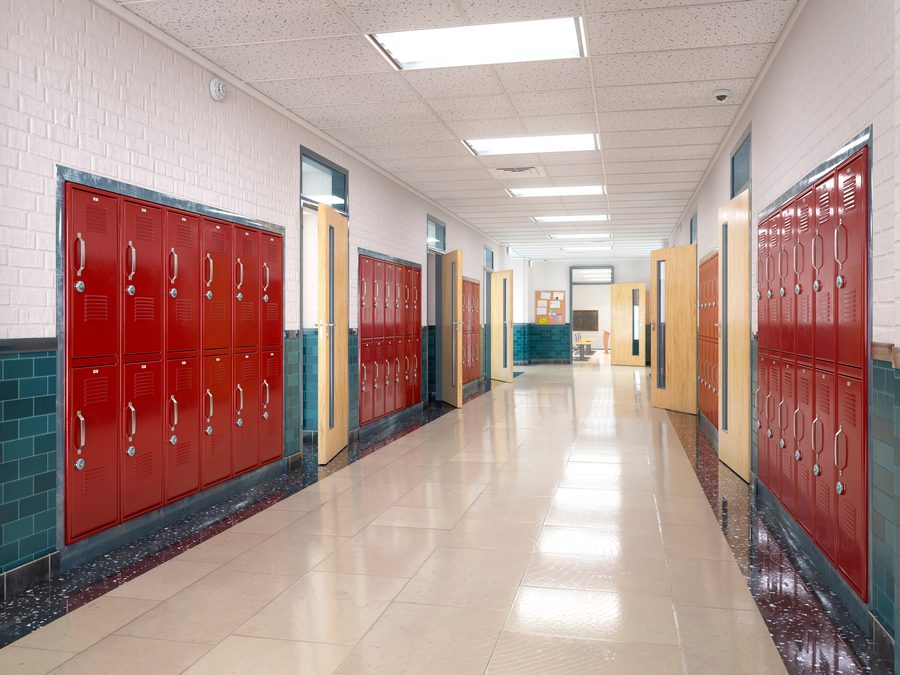
Keeping students and staff safe has never felt more urgent for school leaders. You manage busy campuses, limited budgets, and rising expectations from parents and the community, all while trying to make sense of rapidly evolving security technology. It is no surprise that terms like “layered security” come up in board meetings and safety plans more often than ever.
Many administrators have heard the phrase, but are not always sure what it actually looks like on a real campus. Is it just more cameras, more locks, or a new software platform? Or is it something more strategic that ties all of your tools and procedures together?
This blog will walk you through the concept of layered security in practical terms, so you can start to picture how different systems work together to protect your school and support your emergency plans.
SEE ALSO: Verkada + AT&I: Cloud-Managed Security That Just Works
What Exactly Is Layered Security?
In simple terms, layered security is a structured safety approach that uses multiple protective measures arranged in tiers around a campus. Each tier serves a specific purpose, and together they help schools deter threats, detect suspicious activity, and support a faster response during emergencies. Instead of relying on a single device or policy, layered security brings different tools, technologies, and procedures together so each one strengthens the next. This creates a more reliable path to protecting students, staff, and visitors throughout the school day.
Layer 1: Perimeter Protection
Perimeter protection forms the outer tier of a school’s security strategy. It focuses on monitoring activity at the edges of the campus, where early awareness and control make the greatest difference. This tier helps school leaders identify concerns before they move closer to buildings or student areas. It often includes tools such as gated entry points, outdoor cameras, and strategically placed lighting that improves visibility after hours. Some campuses also use license plate recognition to document vehicles entering and exiting school grounds.
These technologies give administrators and security staff a clearer picture of who is approaching the property and support quicker decision-making when something appears out of place. A well-secured perimeter gives schools an important advantage. When potential issues are detected early, staff have more time to respond, notify authorities, or activate the next tier of protection inside the campus.
Layer 2: Video Surveillance Across Campus
Video surveillance strengthens campus awareness by giving administrators and safety teams a clear, real-time view of daily activity. Modern camera systems offer sharp image quality, smart analytics, and reliable coverage across key areas, which makes them central to any layered security plan.
Schools often place cameras at building entrances, parking lots, hallways, playgrounds, cafeterias, and athletic facilities. These locations support both proactive monitoring and post-event review. Advanced analytics can also identify patterns such as loitering, unusual movement, attempts to enter restricted areas, and even detect brandished firearms. Alerts are then sent in real-time to staff so they can respond quickly.
A well-planned surveillance system does more than record footage. It creates an additional tier of protection that works alongside access control, perimeter monitoring, and emergency communication tools, giving school leaders greater confidence in their overall safety strategy.
Layer 3: Access Control at Every Door
Access control adds a powerful layer of safety by managing who can enter buildings and secure interior spaces. It gives schools the ability to regulate movement across the campus, which helps protect students and staff throughout the day.
Modern access control systems typically use keycards, fobs, or mobile credentials that assign specific permissions to each user. Visitor management tools can also verify guests, issue temporary badges, and log every entry. Schools can set time-based rules for after-school programs, staff schedules, or maintenance work, creating a more organized flow throughout the campus.
This tier becomes especially important during emergencies. Administrators can quickly lock specific buildings or entire campuses, while staff can receive alerts that guide them to take action. Access control also provides valuable data, such as door activity logs, which supports both investigations and long-term safety planning.
Layer 4: Internal Security and Classroom-Level Protection
Once inside the building, another tier of protection focuses on securing interior spaces and supporting staff during urgent situations. Classroom-level tools help slow down intruders, improve communication, and provide students with a safer environment while responders move into action.
Reinforced or controlled classroom doors are a key part of this tier. Many schools also use lockdown hardware that allows teachers to secure rooms quickly. Additional tools, such as panic buttons or staff duress systems, give personnel a direct way to request help. Intercoms and networked audio systems support two-way communication with administrative offices or security teams, which helps guide teachers through unfolding events. When combined with the other tiers, this approach helps schools maintain control, even when a situation develops rapidly.
Layer 5: Mass Notification and Emergency Communication
Mass notification plays a vital role in helping schools communicate quickly and clearly during urgent situations. Once a threat is identified, the ability to reach staff, students, and visitors within seconds can support faster decision-making and safer outcomes.
Modern systems use several types of communication. PA systems can deliver live or pre-recorded messages to classrooms and common areas. Text messages and app-based alerts can notify teachers, administrators, and families who may be off campus. Visual indicators, such as strobe lights, help reach individuals in noisy environments or areas where audio alerts might not be heard. These tools can also be set to trigger automatically based on specific events detected by surveillance or access control systems.
Clear, immediate communication helps maintain order during emergencies and guides the campus through evacuation, sheltering, or lockdown procedures. This tier ensures that the right people receive the right information at the right moment.
Take the Next Step Toward a More Secure School
Layered security becomes most valuable when several systems respond in a coordinated way. Each tier supports the next, which creates a more organized path for detecting concerns, managing movement, and guiding communication in real time. A professional security integrator, such as AT&I, can help schools design a layered safety plan that fits their unique campus layout, daily routines, and long-term goals. With the right approach, administrators gain a secure foundation that protects students, staff, and visitors throughout the school day.
If you would like guidance on building a stronger, more coordinated security plan for your campus, reach out to AT&I for a consultation. A focused conversation can help you understand where to begin and which solutions will make the largest impact for your school. We look forward to hearing from you!
About AT&I Systems
AT&I is headquartered in South Florida and has completed projects all around the U.S. for various National clients since 2005. We offer a refreshing, honest approach to security that involves technical design and project management to installation and support. We understand each industry faces unique challenges and demands a unique approach and set of solutions. AT&I provides its clients with a local touch with national reach and delivers modern solutions that scale as your business scales.
AT&I’s is headquartered in Fort Lauderdale, Florida, and services Boca Raton, Deerfield Beach, Delray Beach, Fort Lauderdale, Fort Myers, Hollywood, Miami, Naples, Orlando, Palm Beach Gardens, Pompano Beach, Port St. Lucie, Wellington, and West Palm Beach. AT&I also has a location that services New York located at 10 E 33rd, New York City, NY 10016.
 Fonts
Fonts